
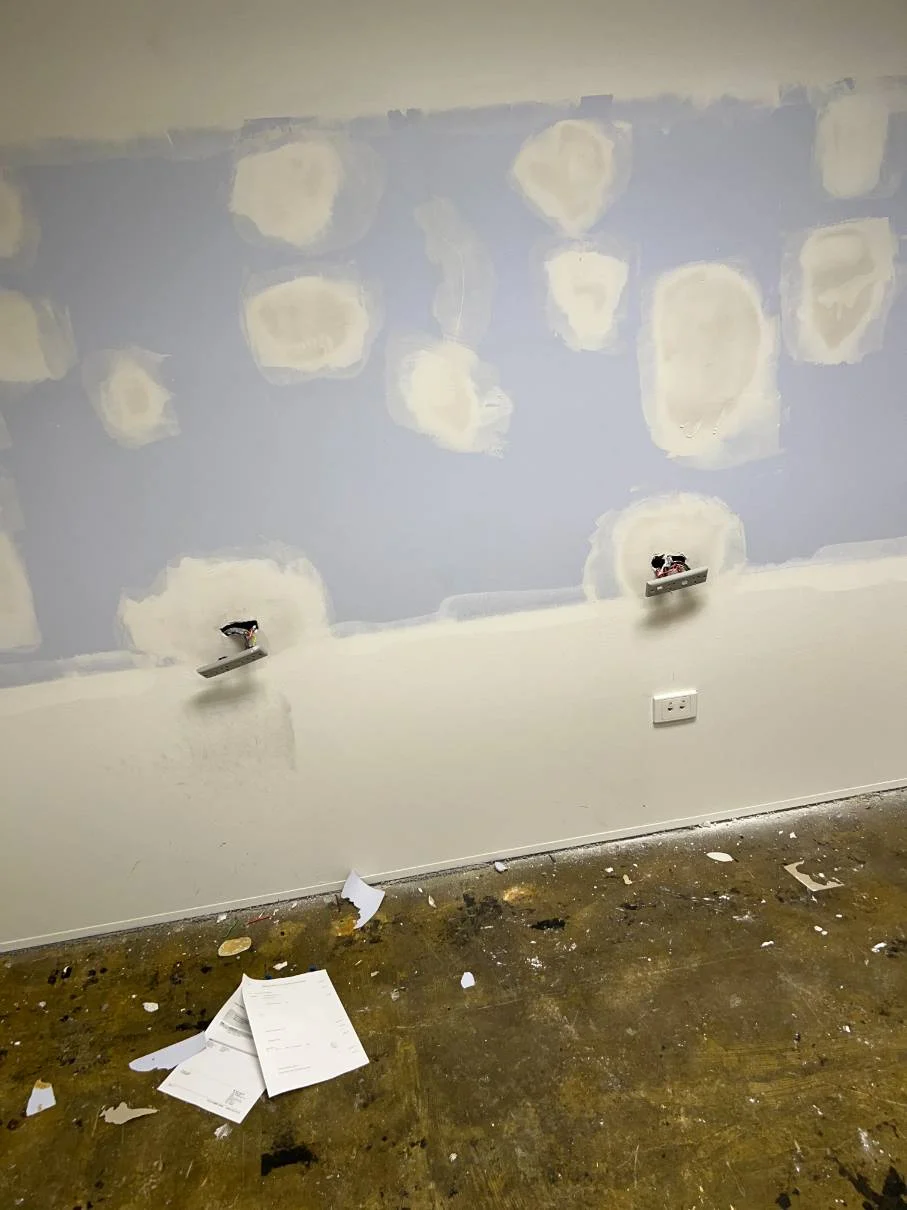
Start with a surface list
A painting enquiry is easier to assess when it names the surfaces. List walls, ceilings, doors, skirting and frames separately. A room count alone does not explain which areas need work or what preparation is involved. Mark any surfaces you want left as they are. Photographs help show the existing condition, but an assessment may still be needed before the final scope is agreed.
Plan how the room will be used
Tell the team about furniture, fragile items, work-from-home arrangements and rooms that must stay usable. Agree who will move items and what protection is included. Do not assume the quote covers packing personal belongings or moving heavy furniture. If access is restricted, raise it early so painting can be staged rather than creating an avoidable interruption.
Preparation comes before colour
Dulux describes filling, sanding, cleaning, masking and priming as parts of interior preparation. The actual system depends on the substrate and existing finish. A dark colour change or an unpainted surface can need a different approach from a sound existing coating. Ask your painter to explain the preparation and product system rather than only the number of topcoats.
Make the quote easy to compare
Check the included surfaces, preparation, finish and any exclusions. Ask how access and drying time will affect the room. A clear written scope is more useful than a promise to make every room look new regardless of its condition. For Liam Painting, send your suburb, surface list and preferred timing through the enquiry form. The team confirms the job scope and schedule before work is booked.